OCEAN POLLUTION

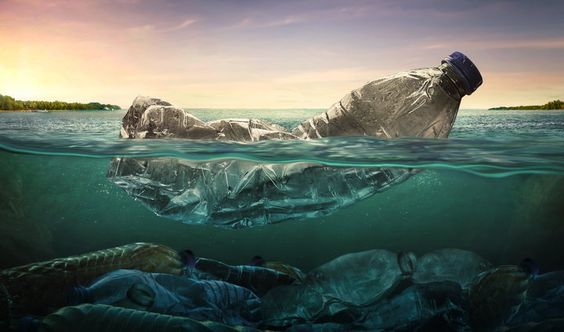
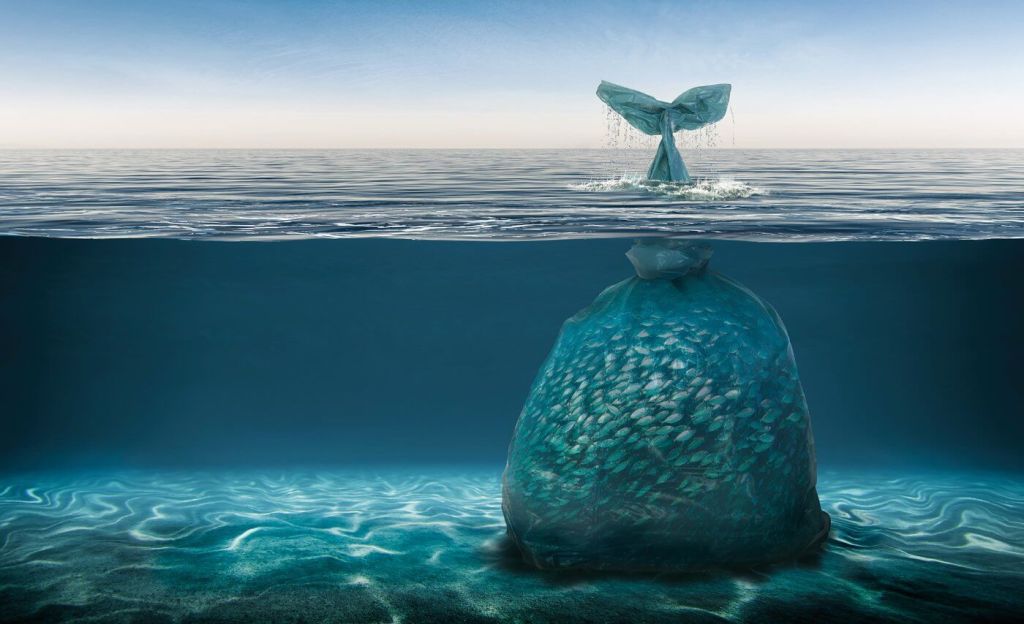
The ocean is the most important part of the life on Earth; the ocean is also the origin of life. In modern times, due to the lack of people’s awareness of protecting the ocean, human dependence on plastic products has caused a large amount of plastic waste to enter the ocean from the land, resulting in the current problem of marine pollution that has urgently needed to be addressed and resolved. “Plastic can survive in the natural environment for decades or even hundreds of years and is a material that is difficult to degrade. Over time, large pieces of plastic are broken down into tiny pieces and then sink from the surface of the ocean to the bottom.” (Singh 2016) Therefore, Marine plastic pollution has become a global environmental problem.

Studies have shown that since the mass production of plastics began in the 1950s, humans have produced 8.3 billion tons of plastics, of which 6.3 billion tons have become garbage. Only 9% of the plastic waste was recycled, 12% was incinerated, and 79% went into landfills or natural environments. A large amount of plastic waste enters the ocean through various channels. Simulation studies have shown that the 192 coastal countries around the world imported plastic waste to the ocean in 2010 from about 4 million to 12.7 million tons. (Andrady 2011) This has become a global problem affecting the world.

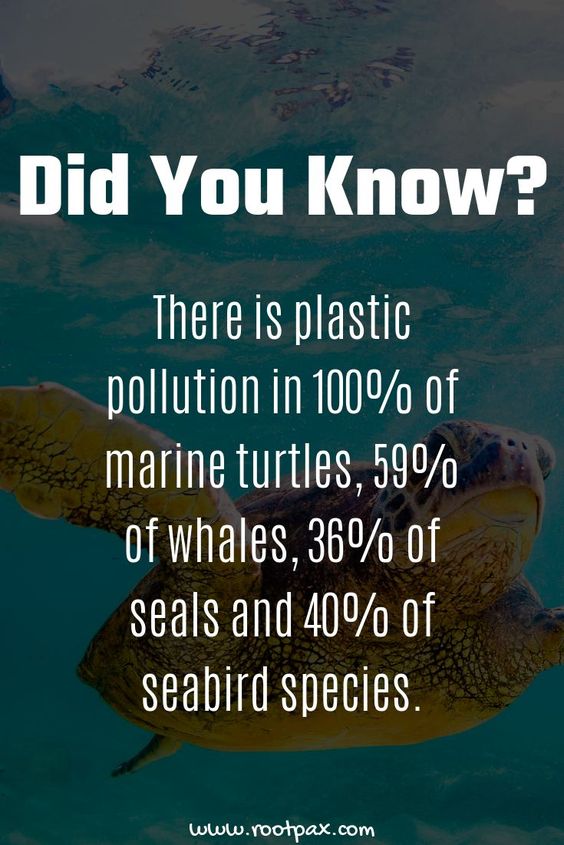
Microplastics is a type of plastic pollution that is small particle size and easily interacts with marine life. They can enter marine life through various ways, accumulates and metastasizes in the organs and tissues of its organism, and cause harm to marine life. Microplastics can threaten the health and stability of marine ecosystems because they are transmitted through the food chain.
Therefore, the current research focuses on the ecological impact of marine microplastics pollution and the interaction between marine life and microplastics.

Environmental aesthetics

What is “environmental aesthetics”? Environmental aesthetics, the main object of research is the aesthetic requirements of human living environment, environmental aesthetics on human physiological and psychological effects, and then explore the impact of this effect on people’s physical health and work efficiency. Life aesthetics. Study and appreciate the experience of environmental beauty and the rules of creating environmental beauty. The environment is an objective natural condition on which people live and practice.It provides a material premise for human life activities.

The development of modern science and technology has provided convenience for large-scale development and construction of human beings, but also caused a huge impact on the environment. Various pollutions have caused environmental degradation and damage to ecosystems. People have increasingly realized how important it is to preserve a beautiful environment. We must not only make the surrounding environment provide fresh air for people and all living things in the long run, but also provide people with a beautiful and comfortable environment. This is the main task facing environmental aesthetics.

Therefore,I want to embody environmental aesthetics in the form of art, and call for publicity for the protection of the natural environment, so that the problems facing the world can get attention.

Environment

What is the environment? What do we think of through the word “environment”? Natural environment, then we can think of environmental pollution. The rapid development of the industrial economy in the 20th century has brought a highly developed material civilization to mankind, but mankind is also in a lot of contradictions. Environmental problems have developed from a small local area to a regional or even global one. Obviously The impact is wider and more profound.

Global warming

The temperature of the earth is quietly rising, and has reached a level that people can perceive. Its harm should not be ignored. It will cause the melting of polar glaciers, it will bring frequent storms, it will lead to the reduction of biological species, and it will also cause sea levels to rise and flood coastal areas.

Ozone layer destruction

Since the middle of the 20th century, it has been found that the ozone concentration in the Arctic Circle has decreased significantly, and the ozone layer in the Antarctic Circle has also appeared hollow. The serious consequences of the destruction of the ozone layer can not be ignored: it will increase the incidence of human skin cancer and cataract, damage the human immune system, it will also seriously damage the marine and terrestrial ecosystems, and hinder the normal growth of plants.

Reduced biodiversity

The biological chain of animals and plants is destroyed, and their survival will definitely affect the fate of human beings. The end result of human beings threatening the survival of other organisms will be threatening their own survival.

Acid rain spread

Acid rain is corrosive. Landing on the ground will damage the growth of crops, leading to withering of trees, acidification of lakes, death of fish, damage to buildings and places of interest.

Sharp decline in forest

The reduction of forests has led to serious soil erosion, frequent floods, reduced species, and climate change.

Desertification

Excessive grazing and heavy use of light farming have gradually degraded the grassland. Construction activities such as land reclamation, mining, and road construction have a great impact on the land, coupled with continuous erosion of soil and water loss. The direct consequence of land desertification is the poverty of farmers.

Water pollution

More and more sewage produced by population expansion and industrial development has finally exceeded the tolerance limit of natural water bodies, so the clear water body turned black and smelly, bacteria breed, fish died, and algae grew more severe , the water that is sufficient to nourish the human body often causes people to get sick due to the presence of toxic substances, even to death. Of course, industrial and agricultural production is also greatly damaged due to the deterioration of water quality. Pollution of the water environment has strained the already scarce water resources. The shortage of water resources, the pollution of the water environment and the flood disasters constitute a water crisis sufficient to destroy humanity.

Air Pollution

The most common air pollution is caused by the dust generated during the coal combustion process. Fine suspended particles are inhaled into the human body and are very likely to cause respiratory diseases; modern cities also have photochemical smog, which is due to the large amount of chemical substances entrained in industrial exhaust gas and automobile exhaust. They interact with sunlight to form an irritating smoke that can cause eye diseases, headaches, and difficulty breathing.

Solid waste

Solid waste, including municipal solid waste and industrial solid waste, is increasing with the growth of population and industrial development. It has become a major disaster for the earth, especially for cities. Garbage contains various harmful substances. Arbitrary storage not only occupies land, but also pollutes the surrounding air, water bodies, and even groundwater. Some industrial wastes contain flammable, explosive, toxic, pathogenic, radioactive and other toxic and harmful substances, and the harm is even more serious.

STUDY TRIP-PARIS

This study trip was to Paris with my classmates and teachers. Paris, a relatively familiar city for me, has more than three years of memories in it. It is the political, economic, cultural and commercial center of France. One of the five international metropolises, it has many ancient French buildings and is the darling of design and fashion.

THE VILLA SAVOYE

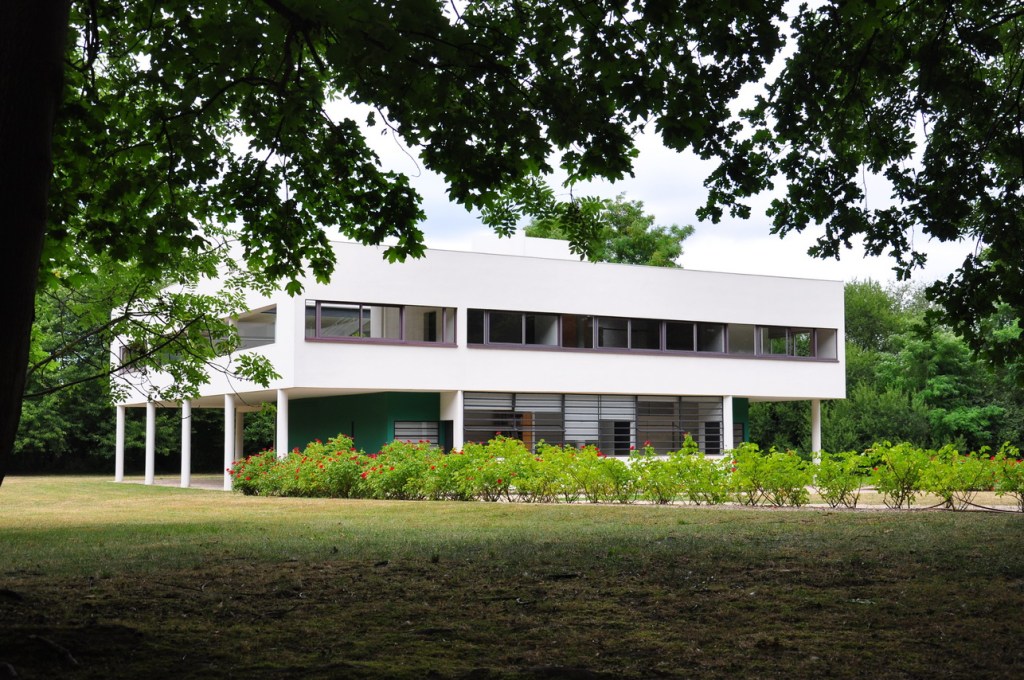
We visited many places about architecture, but what impressed me was the Villa Savoy. The Villa Savoye is one of the classic works of modernist architecture. It was designed by modern master Le Corbusier in 1928 and completed in 1930. It uses reinforced concrete structure. It is a perfect functional aesthetic work. Its performance and construction methods are unified, the architectural form and internal functions are coordinated, the architectural image is logical, the composition is flexible and balanced instead of symmetrical, the processing method is simple, and the body is pure New achievements in visual art in architectural art, etc.

CENTRE POMPIDOU

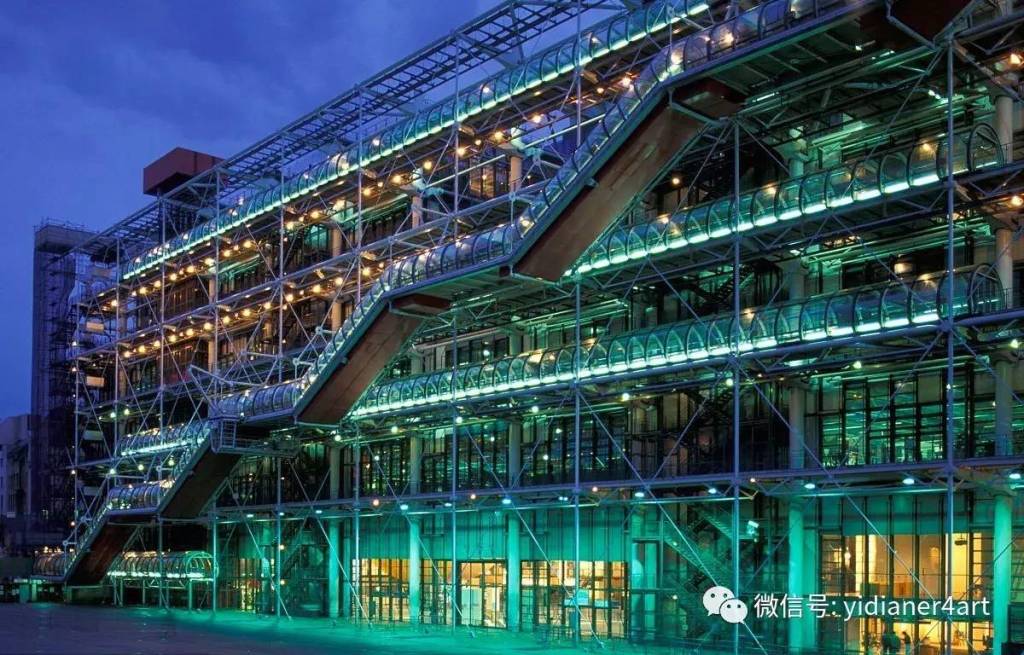
The Pompidou National Art and Culture Centre is a museum of modern art. The biggest feature of the Pompidou Centre is its exposed steel structure and complex pipelines. Because this modern building looks like a factory, it is also known as a “refinery” and a “cultural factory”. This architectural style is called “High-tech” style. From time to time, many designers hold exhibitions here, and many art students often come here to visit.

Versailles Palace

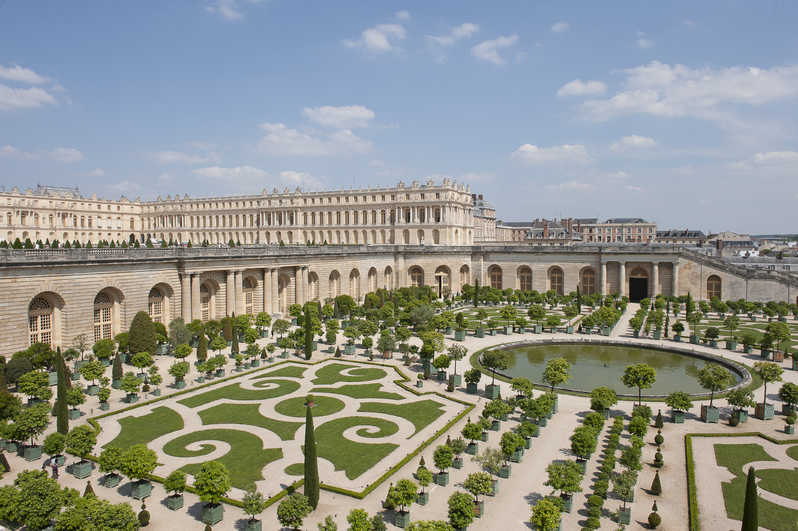
The Palace of Versailles is a classicist building. Its interior decoration is mainly Baroque, and a few halls are Rococo. In front of the main palace is a large “French-style” garden with unique style. The trees and flowers in the garden are ingenious. It is entirely artificially carved, and is extremely particular about symmetry and geometry. This is very shocking.

FINAL EFFECT

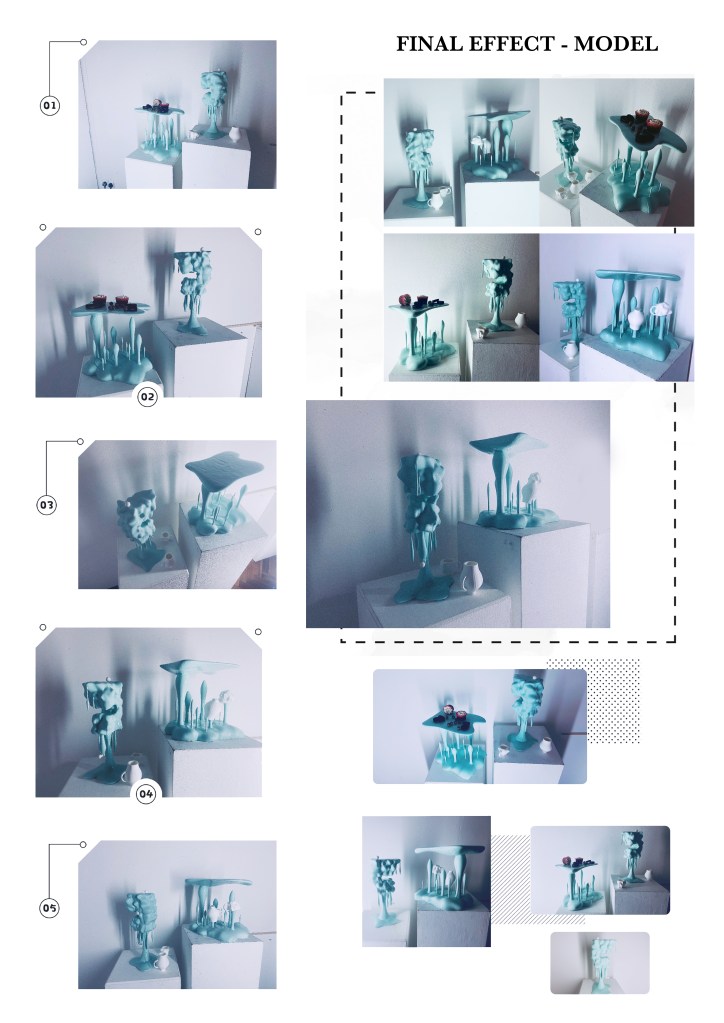
The picture below is the final effect of the physical model of my teapot and dessert table. Its color is similar to Tiffany Blue, and it looks like the color of a cake. It will give people a very appetizing look.

It is a reflective rubber that is soft to the touch, but looks much like ceramic.

In this project, I think I have learned a lot of new knowledge, and I have improved a lot of knowledge in various aspects, such as software modeling, model making, material knowledge, etc.

INSPIRATION

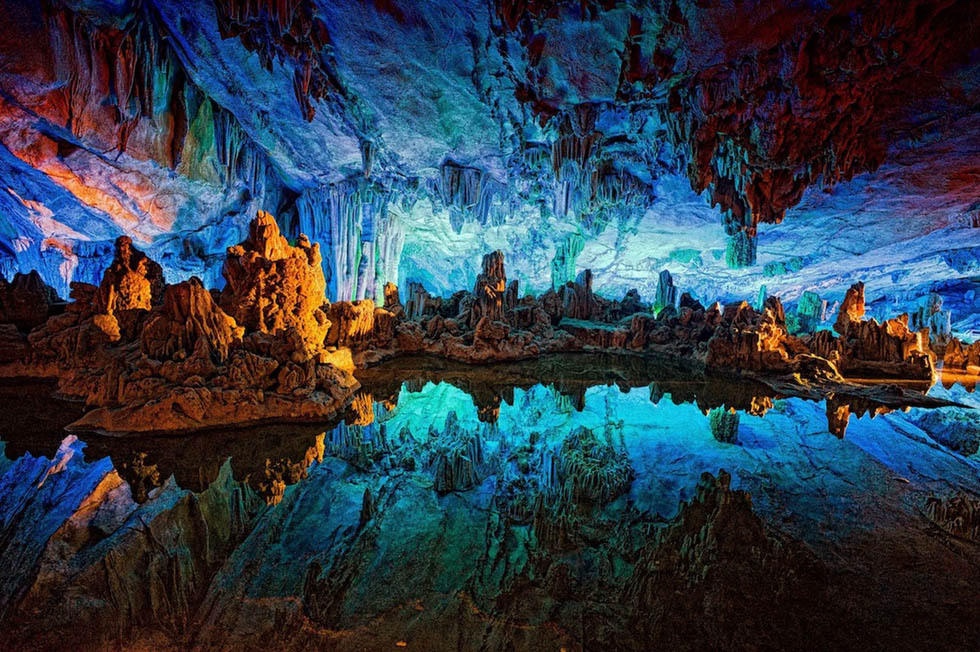
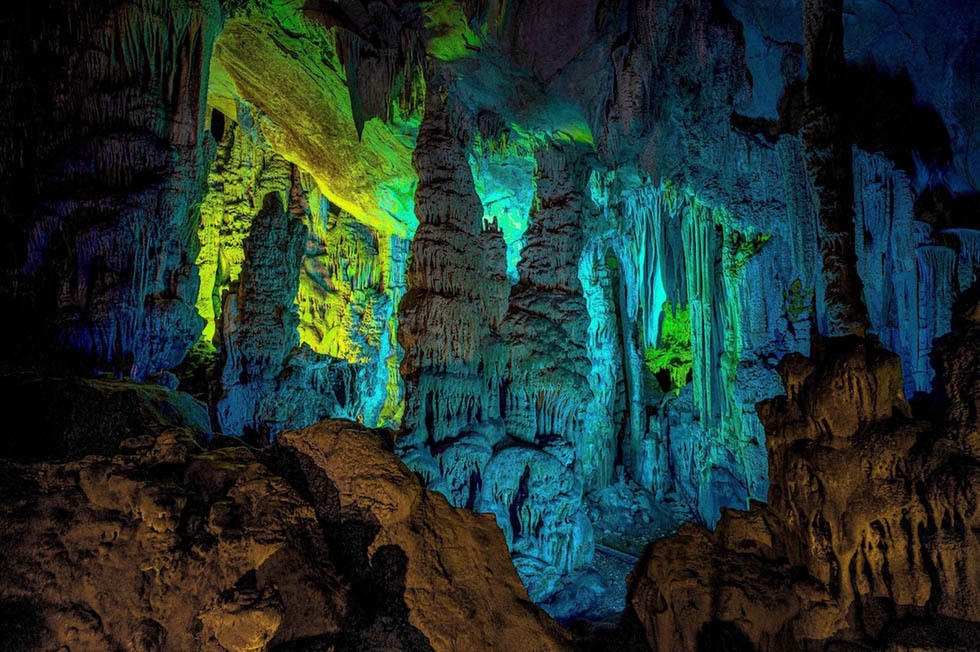
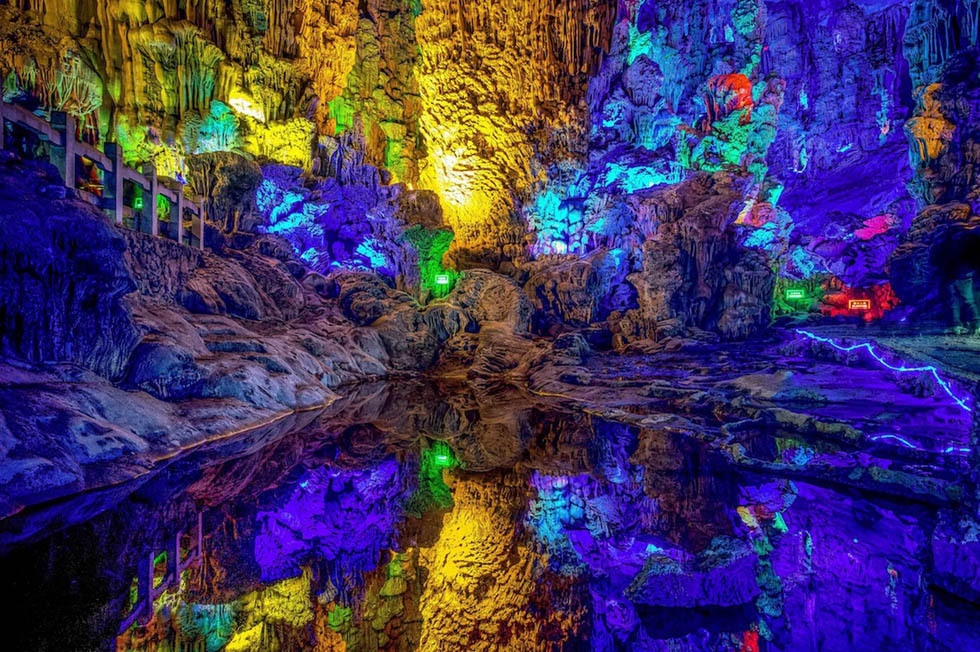
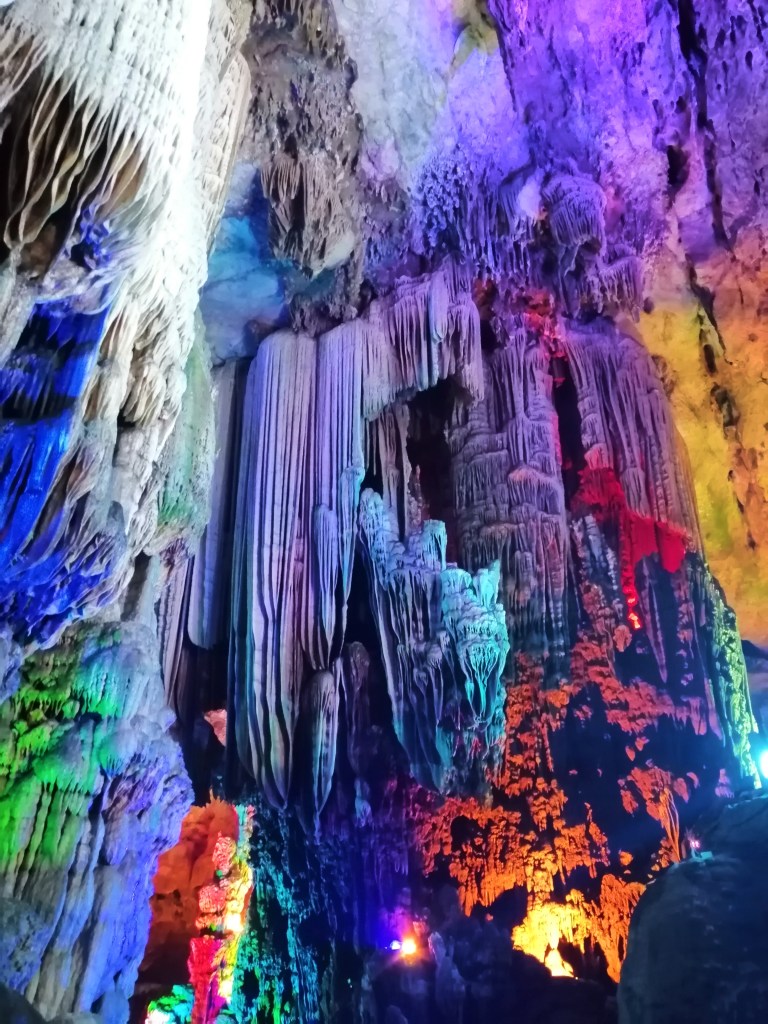
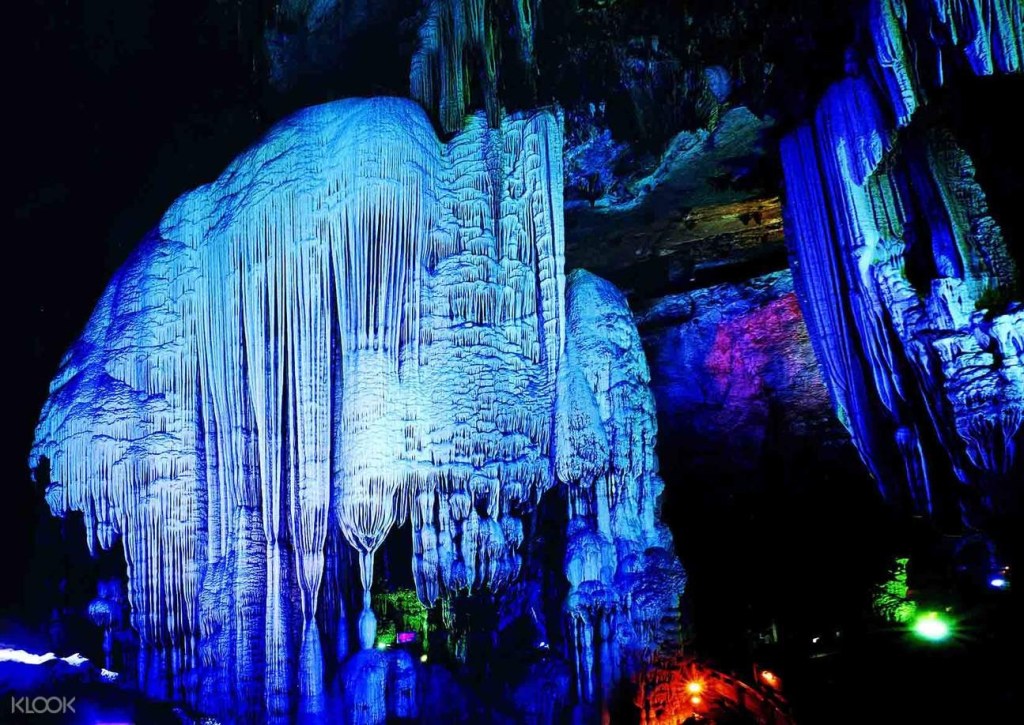
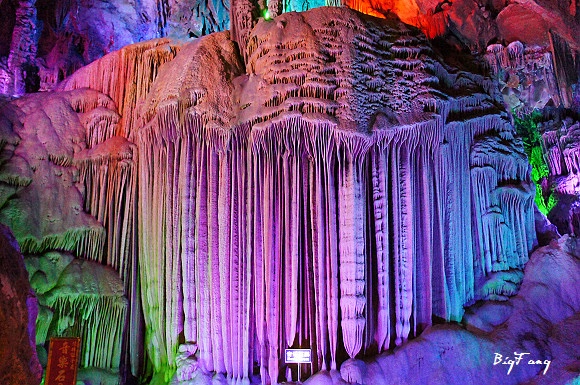
A solutional cave or karst cave is a cave usually formed in the soluble rock limestone. It is the most frequently occurring type of cave. It can also form in other rocks, including chalk, dolomite, marble, salt beds, and gypsum.

Strangely shaped stone, in all kinds of poses, is lifelike. From a distance, some look like gold and silver towers, and others look like snow-capped mountains and waterfalls.

Against the backdrop of various lights, the stalactites in different shapes and shapes look like beautiful pictures, bright and colorful, dazzling, full of reverie and poetic.

INSPIRATION

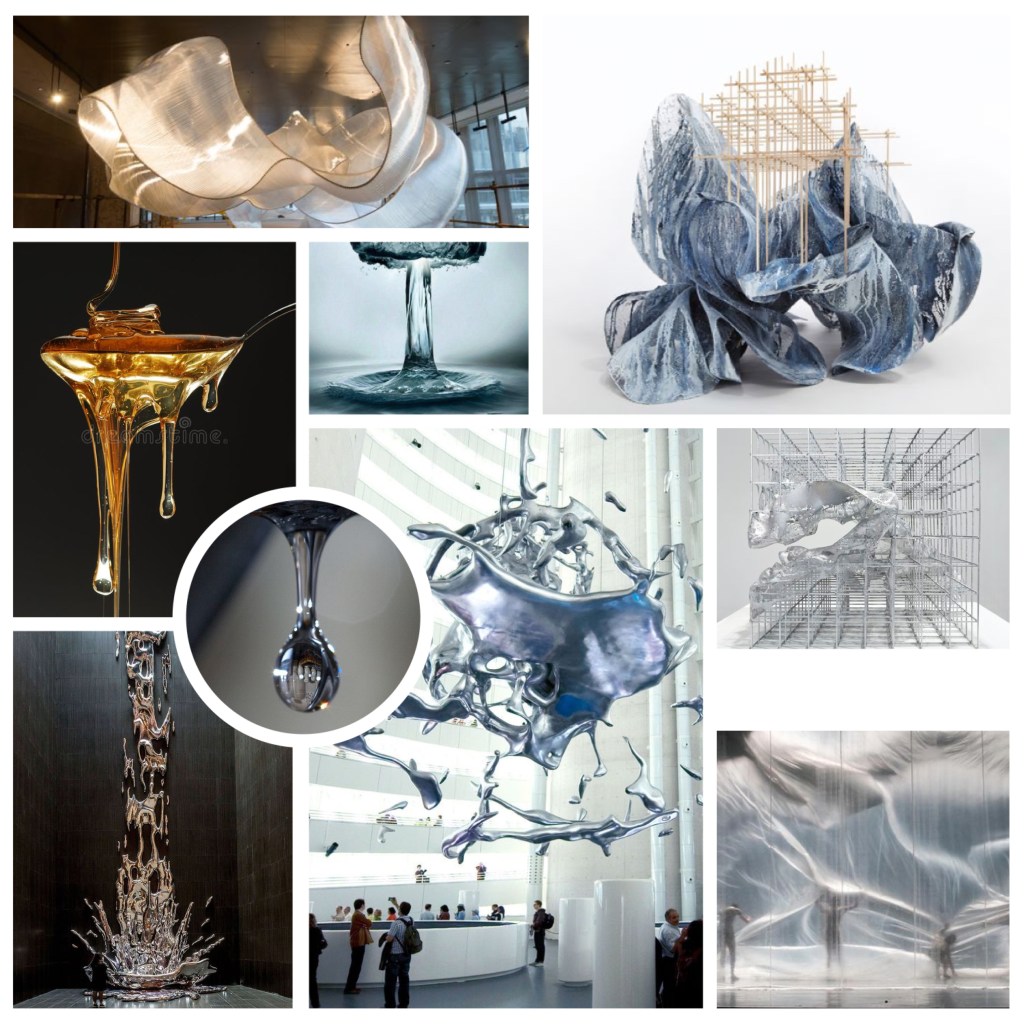
I think the artistic form of the curved surface can be related to a good extension of space and ideology. I want to use this to carry out my project. In the middle, I want to integrate contemporary luxury and futuristic ideas for morphological secondary creation.

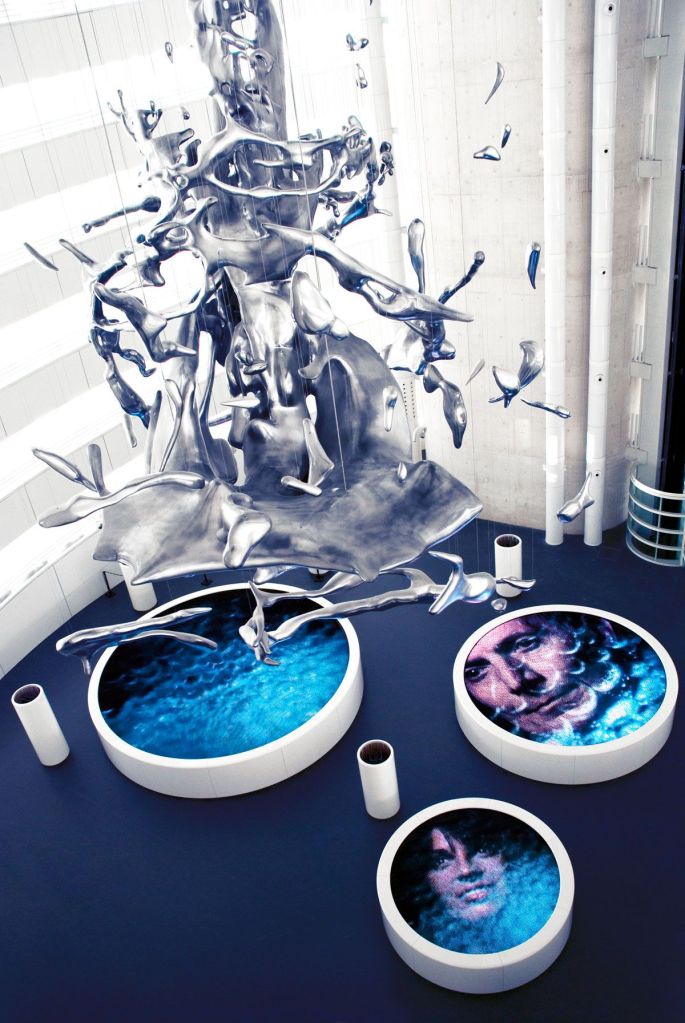
The “Water for Life” exhibition was my source of inspiration. Since then, I have found several cases for analysis to expand the general direction of my project.

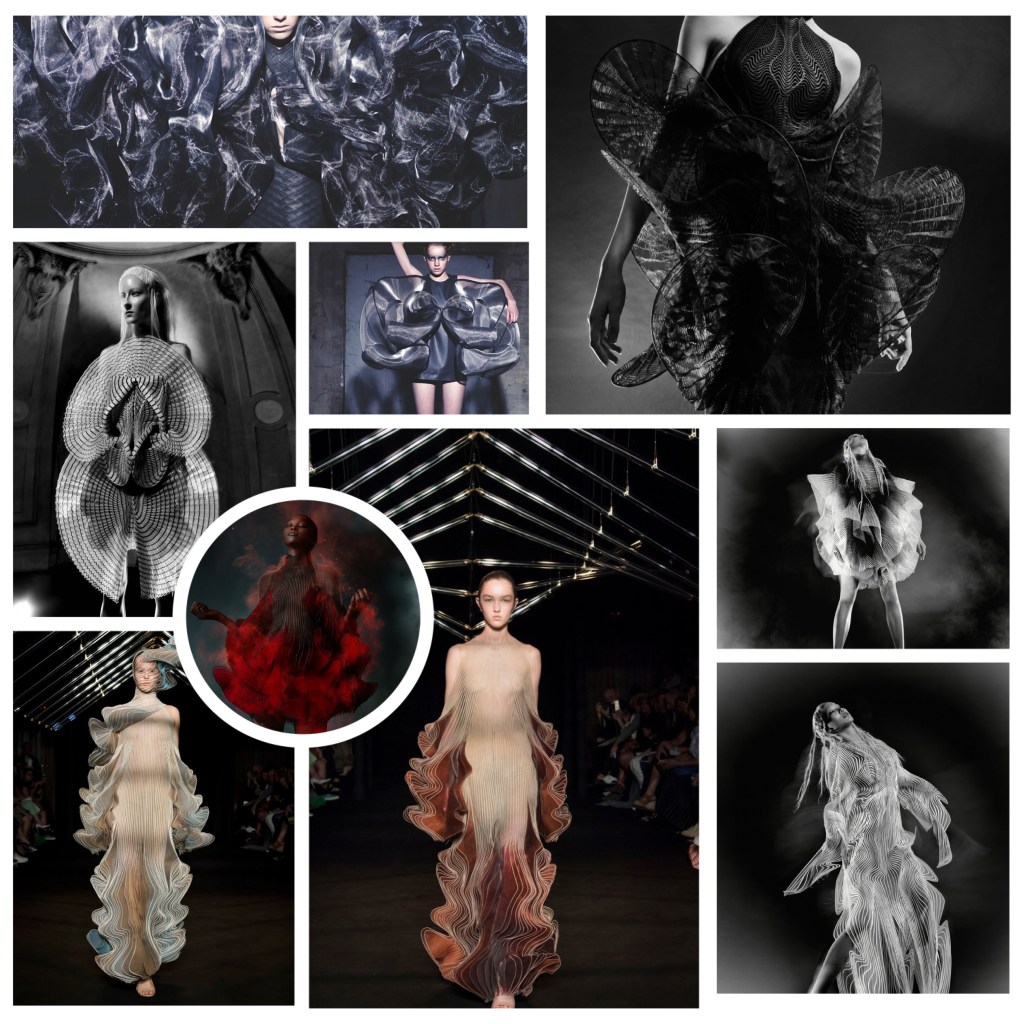
CASE STUDY – fashion design

Iris Van Herpen – The Monk’s Parlour is atypical for Soane, who was better known for building in the neo-classical style rather than the pseudo-Gothic on
show in this view. The displays include a range of artefacts, among them medieval fragments and bosses in the form of grotesque heads ,
oriental vases, an 18th-century table said to have been designed by William Kent and models of buildings by Soane himself. Soane’s aim
was not stylistic accuracy – he was more interested in creating a certain atmosphere.

Iris van Herpen’s decision to explore the possibilities of 3D printing
allowed him to be the first to use this technology in the fashion world,
and to create spectacular pieces, with completely new shapes,
unachievable. in the traditional way. The use of 3D printing.
reinforces the futuristic and sculptural character of his style.

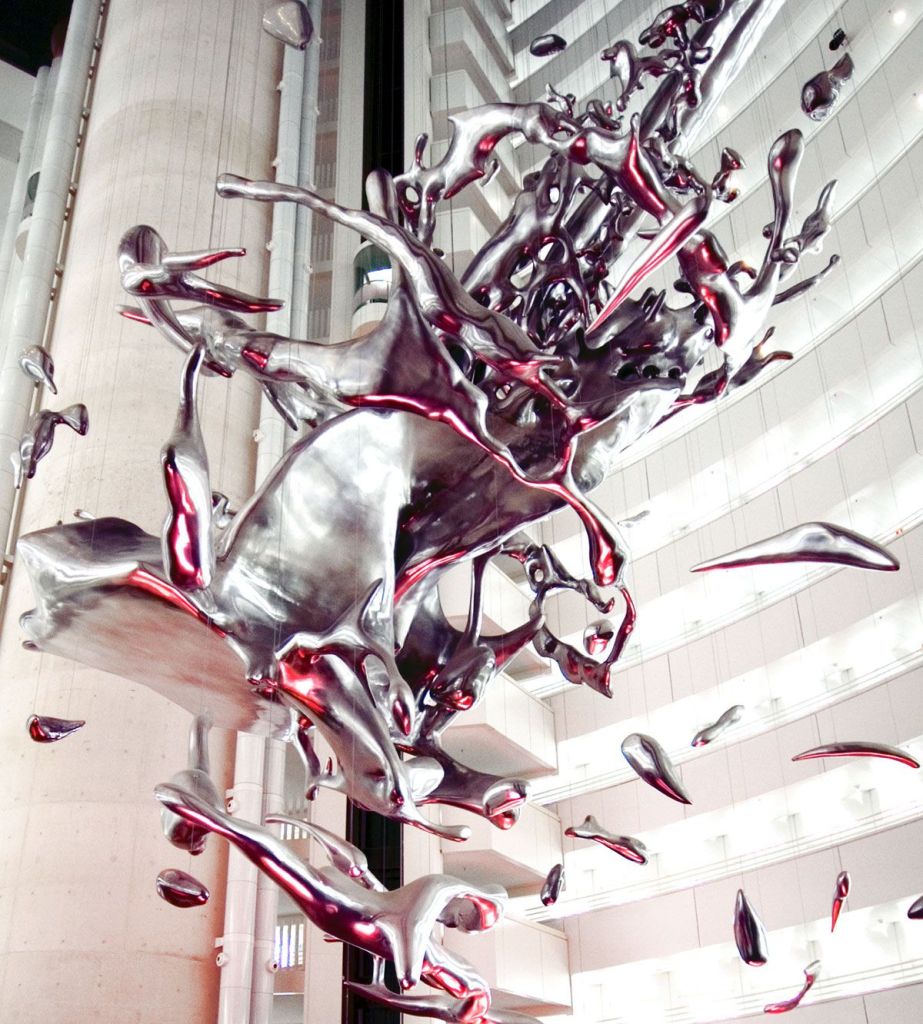
“Water for Life”

“Water for Life”, an international exhibition on Water, Life, Us, was one of the main exhibition of World Expo 2008 dedicated to the theme of water and sustainability. The 5,000 sq.m. exhibition transformed Madrid architect Enrique de Teresa’s 73-meter tall vertical icon and Zaragoza’s tallest building into an immersive experiential space for the public.

Planned as an immersive environment, Water for Life is the result of a collaboration between the partners of Program Collective (Program Collective are Mona Kim, Todd Palmer, Olga Subirós, and Simon Taylor of Tomato). Themes were chosen to explore humanities emotional, biological and chemical connections to water and its importance as a building block of life.

The challenge was to engage visitors with the notion that water is a fragile and vital, yet sustainable resource. To achieve this the team used an experiential approach that while physical, also combined cultural and scientific ideas. Moving image, sound and light intersect with sculpted forms, texts and liquid water itself. An often complex story unfolds through 17 site-specific installations and more than 70 film and video pieces.

Design a site like this with WordPress.com
Get started