What is Virtual Reality? Our awareness of the surrounding environment necessarily depends on the data collected by our sensory system-sight, sound, touch, power, taste and smell. A new practical technology developed in the 20th century is virtual reality (VR), which is a simulation experience that can be similar or completely different from the real world through the senses. In theory, Virtual Reality Technology (VR) is a computer simulation system that can create and experience a virtual world. It uses a computer to generate a simulation environment that immerses users into the environment. Virtual reality technology is the use of real-life data, electronic signals generated by computer technology, combined with various output devices to make it into a phenomenon that people can feel, these phenomena can be real objects in reality It can also be a substance that we can’t see with the naked eye, which is expressed through a three-dimensional model.
This technology gradually entered the field of art and produced a kind of virtual reality art. Virtual Reality Art offers many possibilities to create experiences that produce an illusion of realism or from a different perspective, an immersion into fantasy worlds and alternative realities.It could constitute a knowledge-level formalism to express artistic intentions while at the same time providing a direct route for their implementations.
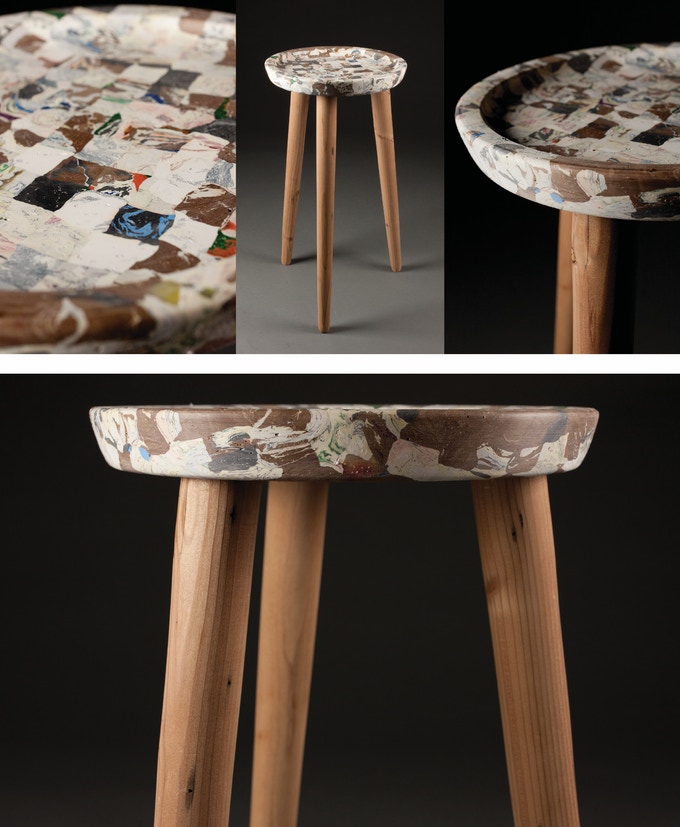
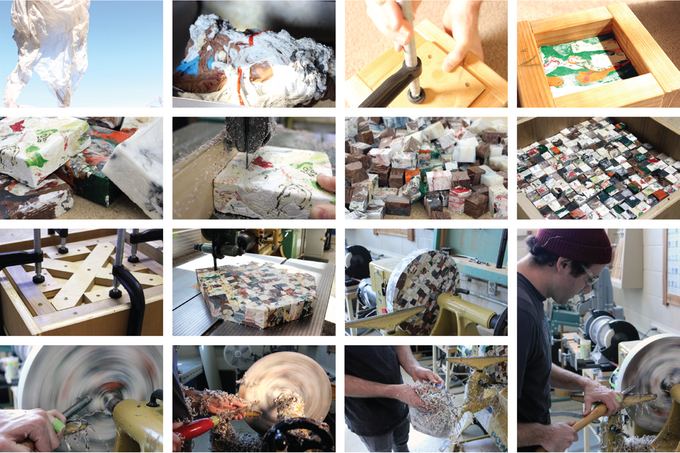
Müll is a sustainability project started by industrial designer Carter Zufelt, .Industrial designer Carter Zufelt has created a new process for recycling discarded plastics. Unlike most current methods, his is able to transform garbage into uniquely-crafted art. Not only can the process be replicated in the comfort of one’s own home, but through his sustainable project Müll, Zufelt is choosing to make it available to all those interested.
Zufelt’s initial focus has been polyethylene in the form of plastic bags. Polyethylene, specifically HDPE, has a high strength- to-density ratio, is widely accessible, and can be found in an abundance of colors. Common sources of HDPE are milk containers, tupperware, oil/shampoo/detergent bottles, and of course, the ubiquitous grocery bag.
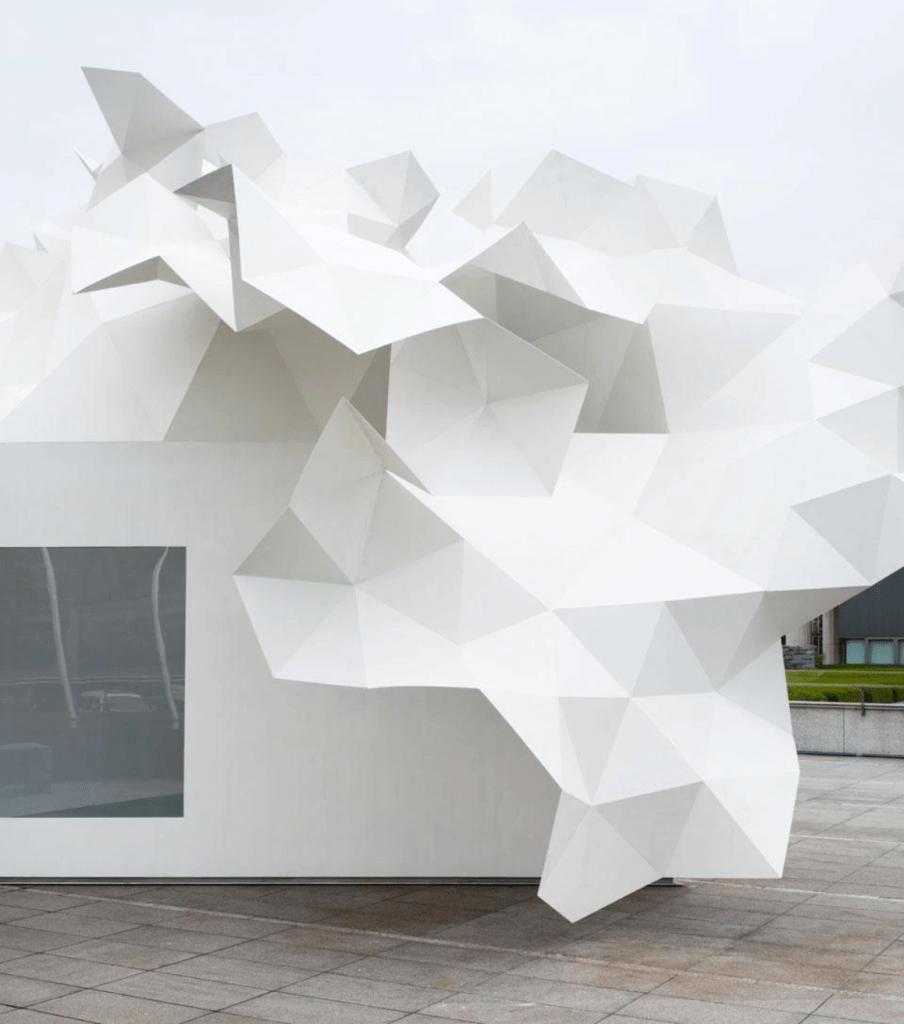
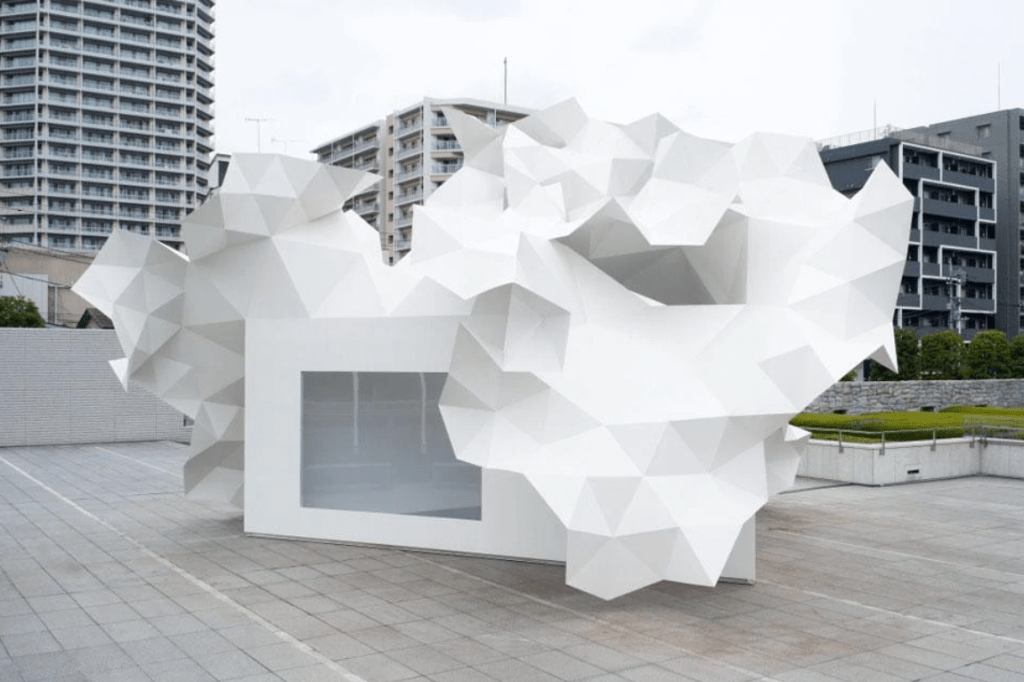
The ‘bloomberg pavilion’, an outdoor installation designed by japanese practice akihisa hirata architecture office will become a stage for changing exhibitions for the museum of contemporary art tokyo in japan. placed within the entrance plaza, the construct will become a symbol for the museum. a collaborative initiative with financial information provider bloomberg, the project intends to increase exposure to culture and art by allowing young artists and performers from the city to hold solo exhibits.
For Japanese architects, trees are a very symbolic form because they can create shadows and provide ideal shelter and resting places for all humans. This function can be repeated in every corner of the earth.
Hirata just created a pleated metal surface using the shape of a combined group of isosceles triangles. Even if the final shape looks complicated, it is actually the basic structure of an organic whole with a certain visual effect. The white and abstract gazebo may be reminiscent of the form of cirrus and cumulus clouds, or even crumpled origami, but it is inspired by the way branch forms create effective photosynthesis.
In the 21st century where science and technology are evolving from place to place, green, ecological, and sustainable building design theories and multi-dimensional interdisciplinary research areas influence each other, and the research and exploration of recycled materials have also developed to a certain extent. Recycled materials refer to products made from waste materials through a remanufacturing process, and are in compliance with waste reduction, reuse and recycling. Among all kinds of waste, the range of materials that can be recovered and recycled is very wide. There are seven types of recycled materials that can be developed: scrap metal, wastepaper, waste plastic, waste rubber, waste building materials, and electronic waste. Recycling materials before they exit the economic cycle is a key concept in the circular economy. Materials can be “closed-loop”, which means they can be used again for the same purpose; materials can also be “open-loop”, which means that although they can be reused, they are not used for the previous purpose. This is a way to give new life to old products. For our project, we want to recycle marine plastic waste for reuse. “Recent research estimates that an average of 8 million metric tons of plastic materials enter the worlds’ oceans annually, increasing at the rate of 7% per year as of 2015.”
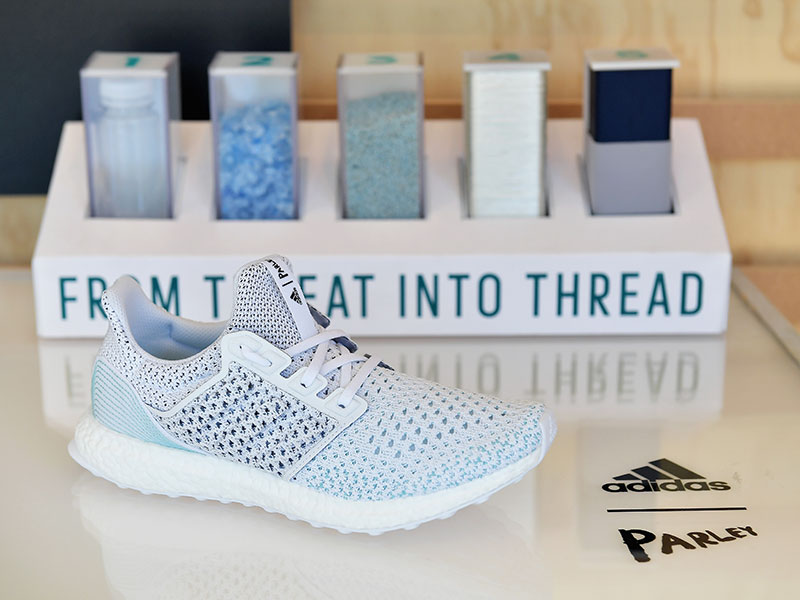
Last year, a 4.7-meter whale died bizarrely on the coast of the Philippines. It was discovered that it contained 40 kg of plastic in its body. This whale would not be the last one to die from eating plastic waste. But these lives that died of plastic waste remind us again and again with bloody reality: Plastic pollution is bringing endless scourge. After recognizing the seriousness of the ocean plastic problem, we need to try to reverse the situation. Starting to collect marine plastic waste for remodeling or reuse in various fields. One way to remove plastic from the ocean and use it for new purposes is to recycle it. The best practice is to keep plastic in the production cycle, that is, use functional infrastructure to recycle the material and continue to use it to make new products. There is another way to dispose of the material, which is not conventional recycling (in other words, it is broken down into raw materials), but the plastic material is finally reused to make other substances. The concept of “utilizing marine renewable materials” has been practiced before. For example, Parley for the Oceans partnered with Adidas to produce a shoe made from recycled plastic floats and partnered with H & M to launch a series of products made from recycled plastic. In addition, many cosmetics companies have also followed the current trend to make their cosmetic boxes from recycled or reused plastic bottles. For the project, we collect various types of plastic waste from the sea, then crush it and reshape it to make a new material to use as a large frame for the model. The gap between the internal structure and the external structure is also made of recycled plastic to fill. The reason why plastic is used as the shell frame is because the presence of a lot of plastic waste will bring harm to many marine life. Many marine life is restricted by plastic waste and restricts their growth. Gradually shrinking from a large space is like the limitation of marine life by plastic waste. I want to use this method to give people an intuitive feeling for social reflection.
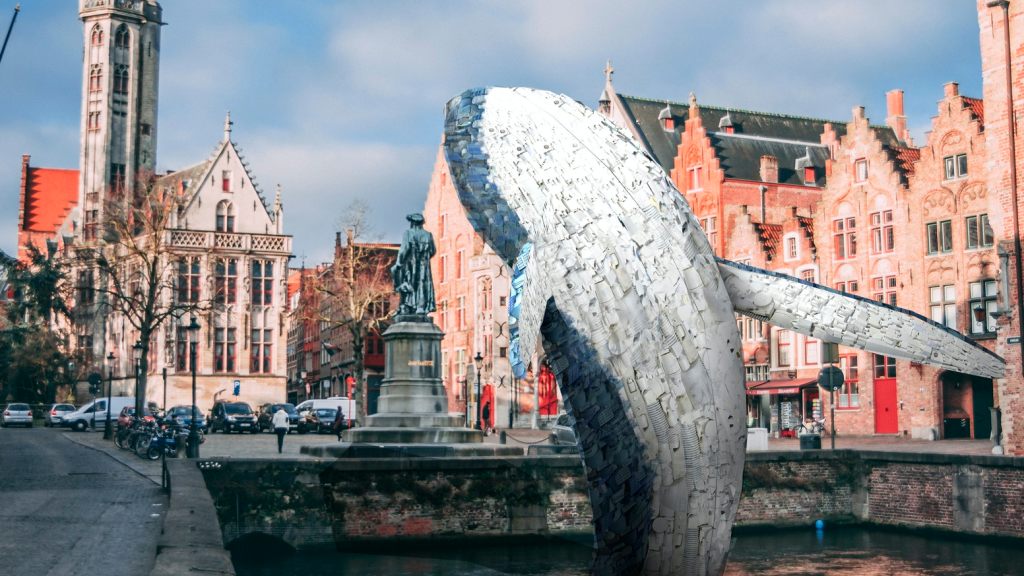
“The severity of global marine plastic pollution has reached a certain level. According to records, at least 26 cetaceans died after ingesting plastic fragments. (Baird and Hooker, 2000). Bruges, known as “Little Venice”, is a small town with a romantic atmosphere, strolling along the cobblestoned streets, alongside the winding canal, and the beautiful Gothic architecture. But the canal in the city jumped out of a huge whale, and the full 4-story body was made of discarded plastic garbage in the ocean. But a huge whale jumped out of the canal in the city, and the full four-story body was made of discarded plastic garbage in the ocean. The elegant body lines revealed the fearful facts – The amount of garbage you ignore in those cities has long exceeded people’s imagination and seriously damaged the marine ecology.”
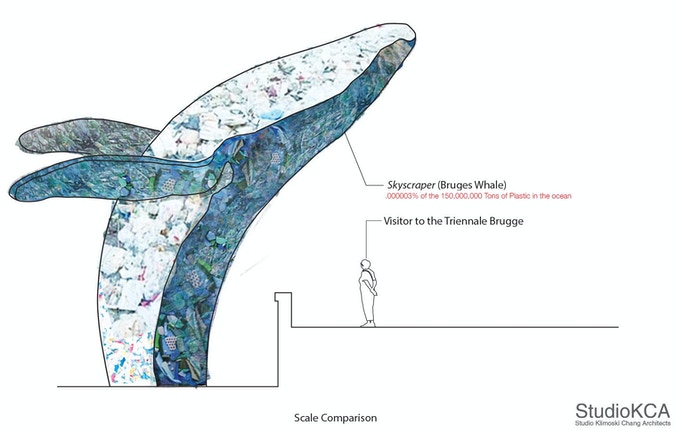
This whale has an ironic name: “skyscraper”, which was built by Brooklyn-based architecture and design company STUDIOKCA to echo the theme of “Liquid City” at the Bruges Triennial. The theme “liquid city” means that the Pacific Ocean may be the most distant thing in our minds. However, urban life is closely connected with the earth ’s oceans. Cities produce a lot of plastic waste. What ’s more terrible is that 8 million tons of plastic waste are discharged into the ocean every year. It is estimated that there are currently 150 million tons of plastic fragments floating in the ocean, which means that there is more plastic floating in the ocean than whales. “The ocean has gradually become the largest liquid city in the world.” (Yatzer 2018)
In this project, they collaborated with volunteers from the Hawaii Wildlife Foundation and Surfrider Foundation, which salvaged and collected five tons of plastic waste used to build “skyscrapers” from Hawaii’s beaches. After classifying plastics by size and color, and engineering the internal steel structure, the company successfully carried out the manufacturing and transportation of this huge device on Kickstarter. However, this concept makes the whale itself a tool for thinking about consumption and production in the center of the city. This sculpture strongly reminds us what we are sending into the ocean, resulting in the shocking environmental conditions of the ocean. This project perfectly shows that the world is interconnected. The design team made an appropriate analogy. In other words, if you accidentally drop a plastic cup into the canal, it may result in the pollution of the ocean thousands of miles away. Then a whale will also enter the city through the canal. This will affect people’s life trajectory.
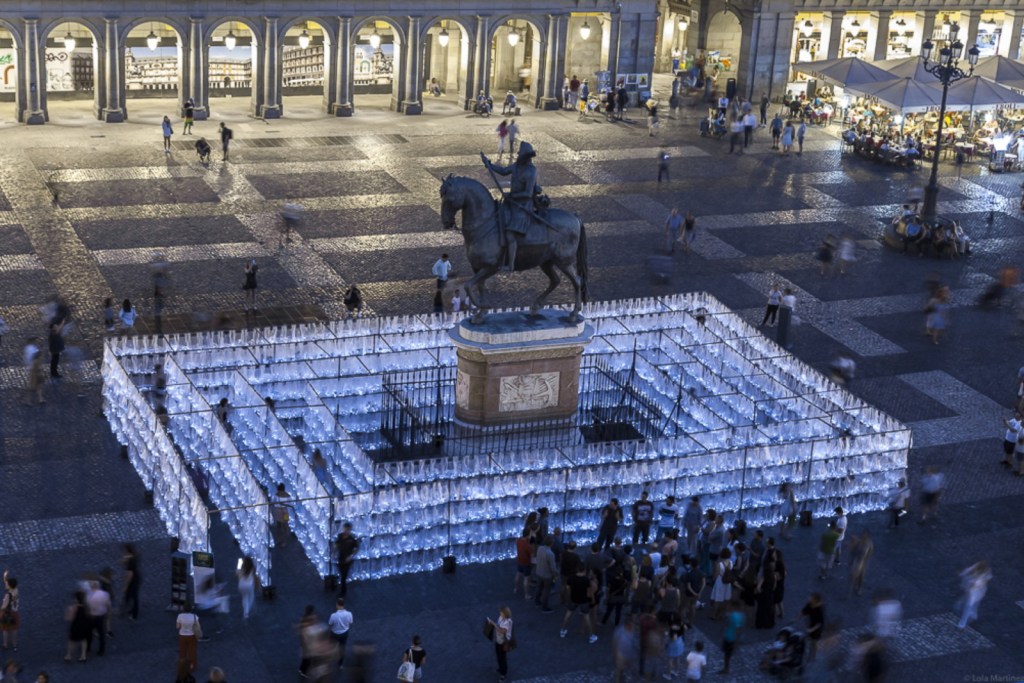
In terms of global pollution, the Spanish art group Luzinterruptus has been at the forefront and central position in combating pollution in ecosystems and plastics that threaten Pacific marine life. Through the installation of a large number of plastic bottles, Luzinterruptus has raised awareness of the use of plastics worldwide. The art group Luzinterruptus launched their latest installation on the Plaza Mayor in Madrid, featuring “labyrinth” plastic waste.
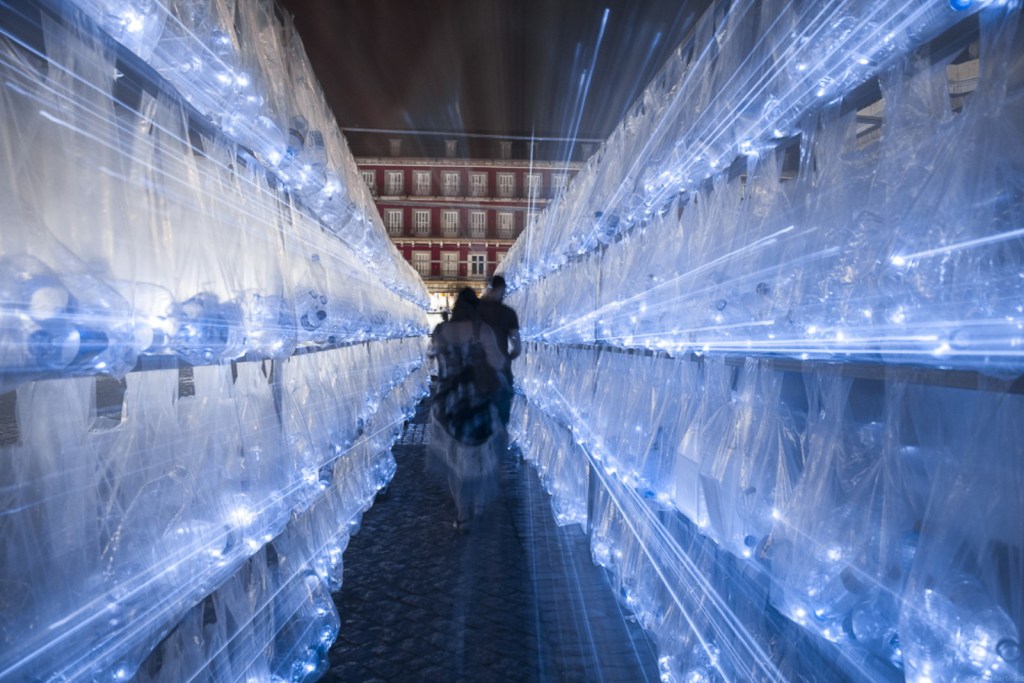
As an extension of the public art project, the work continues the public art they created at the 2014 Katowice Street Art Festival in Poland, but it is bigger and more claustrophobic. The waste maze is made up of approximately 150,000 discarded water bottles. The design team spent a whole month collecting plastic bottles. They wanted to use an intuitive way to make people realize how much waste we generate every day. In order to create a maze, they piled up 7 bottles with a height of 5 meters. The maze consists of corridors and paths that participants can experience on foot. However, before putting the maze together, the bottle needs to be cleaned and placed in a transparent polyethylene bag with LED lights. The large structure of this maze is a metal structure composed of reusable components. Then hang these bags on this metal structure. During the day, the sunlight will be reflected from the bottle, but the most exciting thing is that it happens at night, when the luminous LED lights will become the luminous equipment of the entire maze.
According to a report from the Ellen MacArthur Foundation: “By convention, there will be more plastic than fish by 2025, and every three tons of fish in the ocean will contain one ton of plastic.” And after this exhibition, the labyrinth maze can be dismantled, and the bottles used to make the labyrinth are properly recycled to encourage individuals to pay more attention to recycling and global pollution. On the contrary, the design team explained that “it doesn’t matter whether the installation looks good, we just want to make the public feel uncomfortable when they go in.” So, they deliberately laid out complex paths in the maze, and the pedestrian pathways were designed to be extremely narrow and forced People keep turning, which gives people a sense of disorientation when there is no reference point. Coupled with the heat and unpleasant smell generated by a large amount of plastic, all this will only exacerbate this depressed feeling. This sense of oppression may be the most real feeling when nature digests these wastes!
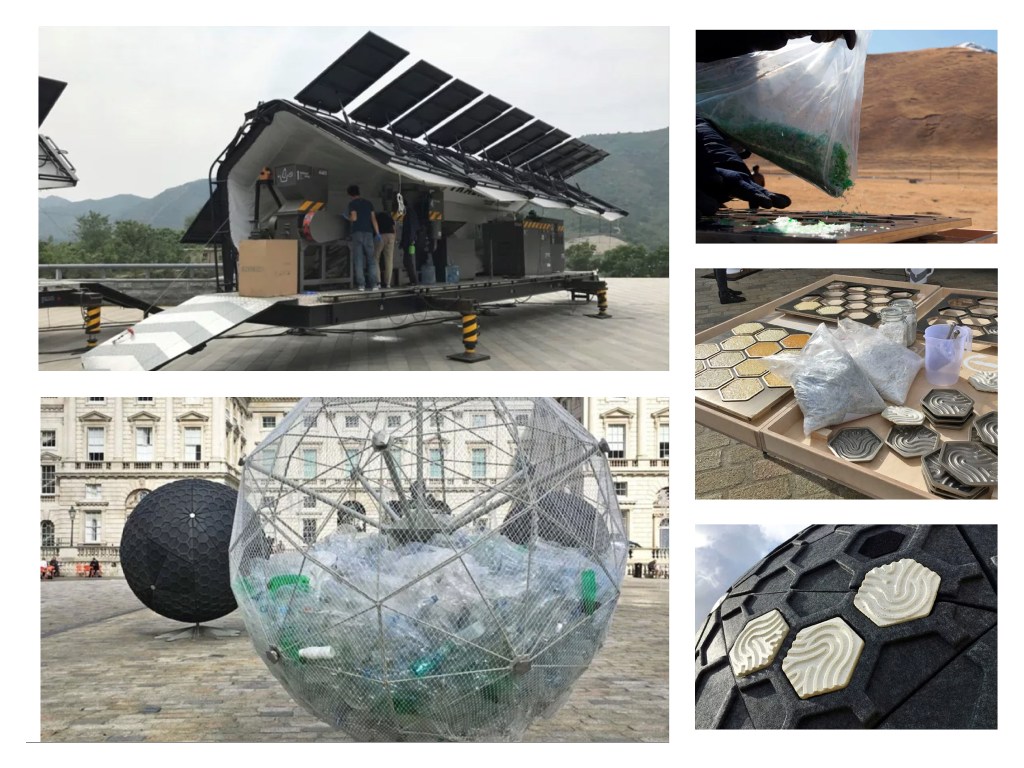
Trashpresso, designed by miniwiz, was exhibited at Milan Design Week 2018 as a future solution to plastic pollution. Trashpresso is the world’s first giant portable solar solid waste recycling line that converts solar energy into tiles. It can recycle waste into building tiles with practical value and raw material value. That’s durable, long-lasting and weather-resistant building tiles made of PET plastic. This process requires only three steps to compress the waste: size reduction, purification, and reshaping. These plastic wastes are compressed into tiles to be transported at a lower cost, which is conducive to the expansion of industrial scale and is also conducive to recycling.
These tiles can be used in a variety of applications and are versatile and durable. They can be used for interior and exterior decorative finishes, as well as for flooring and supplementary insulation. Due to the buoyancy and durability of plastic, plastic pollution is distributed worldwide, and because plastic is a non-degradable material, ingestion and entanglement of marine animals caused by plastic pollution, whether from zooplankton or reptile, have a great impact on them. Persistent organic pollutant plastics are affecting large marine animals and low nutritional organisms. Marine organisms move to tissues and organs through absorption and ingestion to cause damage. However, this design method has greatly reduced the pollution caused by plastic to the ocean and marine life and effective use of garbage resources for remodeling and utilization.
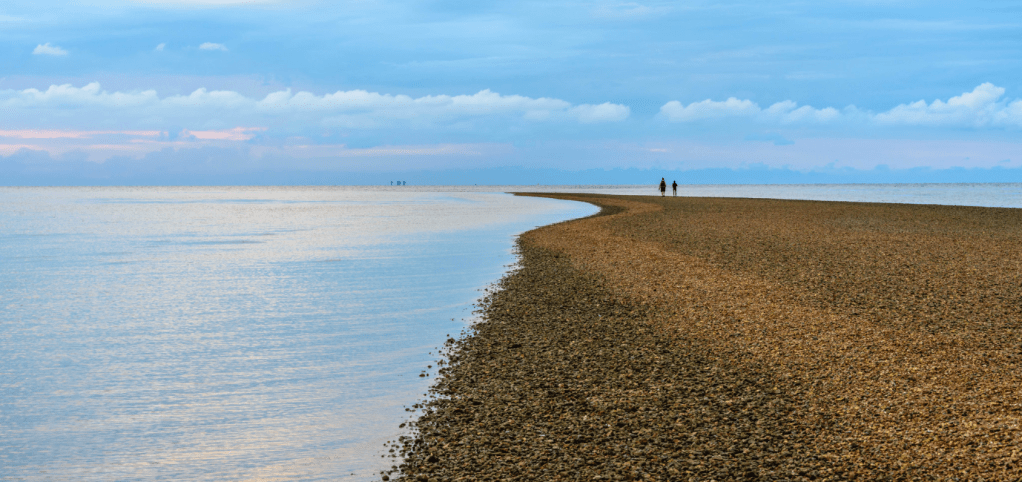
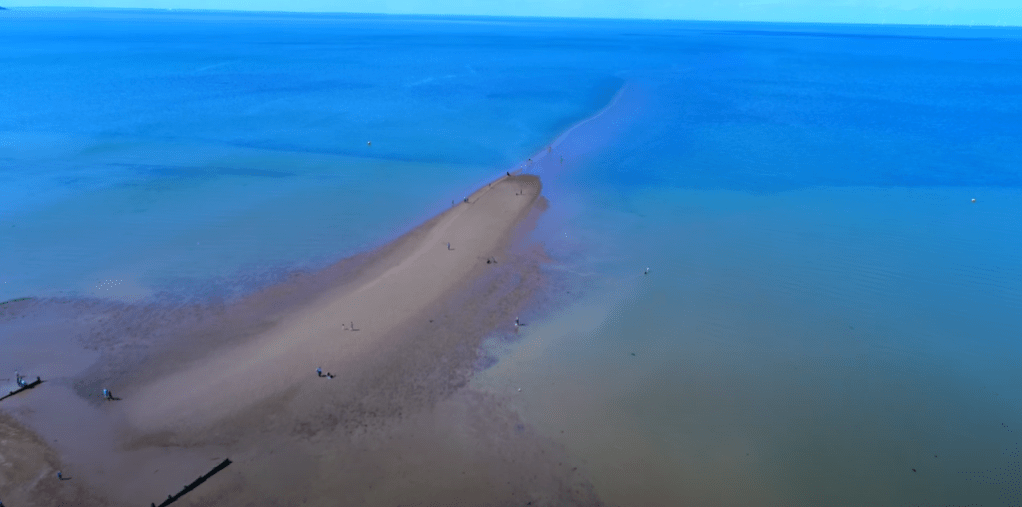
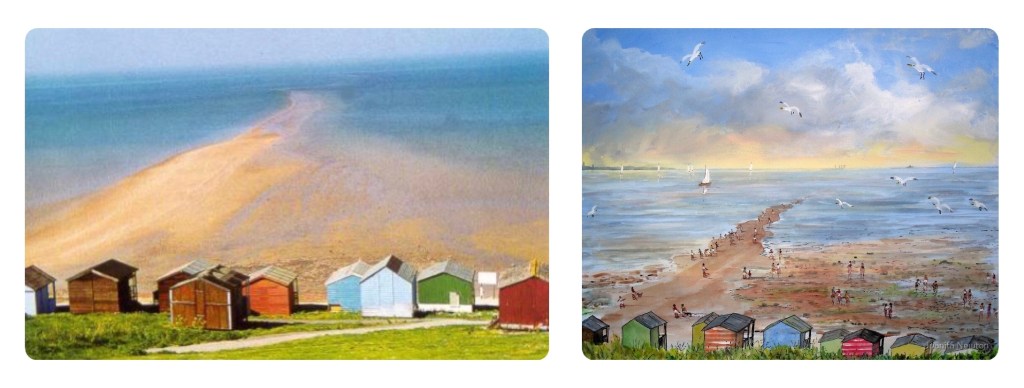
A major feature of Whitstable is “The Street”, which is the last piece of the Swale River Valley in the north of the town. This is a natural banded clay that extends into the sea at a right angle to the coast at a distance of about 800 m. This street is located in Tankerton Slopes in the east of the harbour, and “The Street” view can be seen on the hilltop lawn. When the tide is low, there will be a road in the middle, and there is water on both sides. You can walk to the estuary. At the end, you can look back at the Tankerton beach and its wooden breakwater. It is also safe to swim in the shoals on both sides.
Because of the spectacular view of the ” The Street ” formed by the changes in the tides of tankerton slopes, we wanted to use this interesting location to build our project. We will influence the development experience of the project according to the change of the tide, which can bring different experiences to the participants, so that people can enjoy the fun and educational significance of the project more immersively.
The tides of whitstable belong to the half-day tide type. In other words, there are two high tides and two low tides within a lunar day. The difference between the previous high tide and low tide is about the same as the difference between the next high tide and low tide, and the time of high tide process and low tide process are almost equal. Especially in summer about May or June, the tide time is the most stable, which is also convenient for people to watch and interact. In the tide comparison table, the average high in May is 3 am/pm-4am/pm, the low tide is 9 am/pm-10am/pm, and the reverse is in June.
Whitstable is a seaside town on the north coast of Kent in south-east England, 5 miles north of Canterbury and 2 miles west of Herne Bay.
There are Whitstable Castle, Kentish Flats, Island wall, etc.
-Whitstable Castle
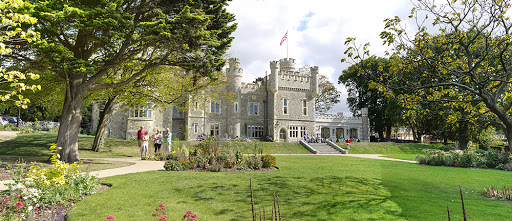
Whitstable Castle is located on the border of Whitstable and Tankerton. It was originally built by Charles Pearson in an octagonal tower. Later, Pearson added it to the building and developed it as a manor house as a living residence. In 1842, the residence added a western-style room, clock tower and hut. By 1897, the building had been called Whitstable Castle.
–Kentish Flats
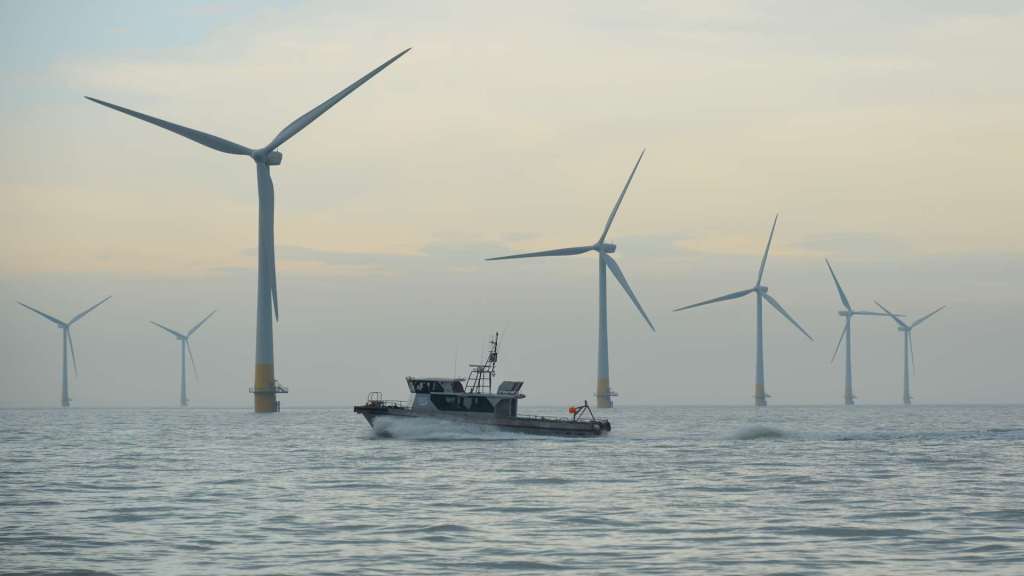
Off the coast of Whitstable is the Kentish Flats offshore wind farm, which consists of each 140-meter-high wind turbine. The sea fortress can be seen from the coast of the town. People can take sailing trips from the Thames estuary, wind farm, harbour and other viewing points.
– Island wall
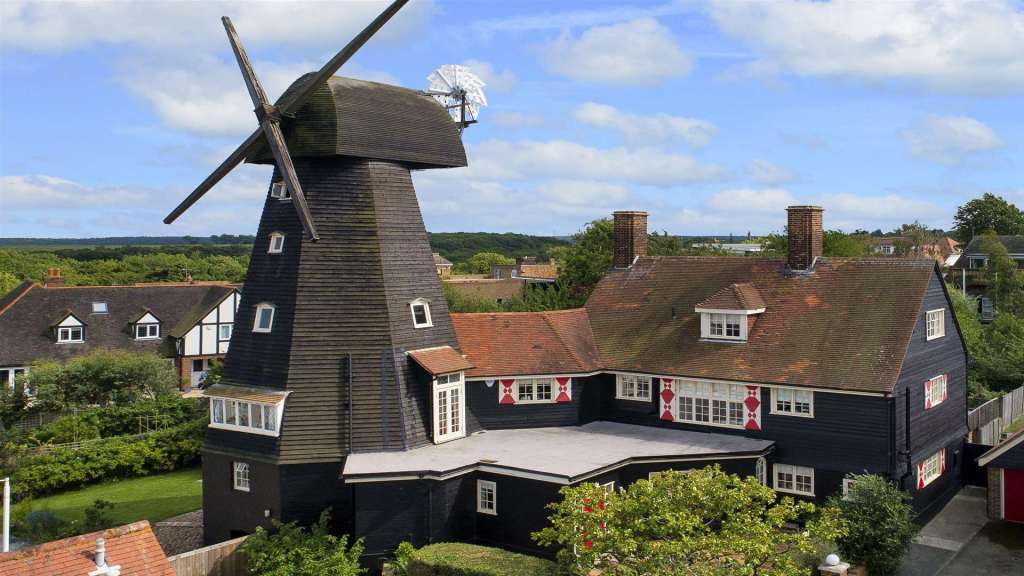
There are also some buildings in the middle of the 19th century, an island wall nearest to the sea, this street is the home of collectors. There is a traditional windmill called Borstal Hill on this street. It was built in 1815 and is now used as a motel.



 Alida's blog