
The ocean is the most important part of the life on Earth; the ocean is also the origin of life. In modern times, due to the lack of people’s awareness of protecting the ocean, human dependence on plastic products has caused a large amount of plastic waste to enter the ocean from the land, resulting in the current problem of marine pollution that has urgently needed to be addressed and resolved. “Plastic can survive in the natural environment for decades or even hundreds of years and is a material that is difficult to degrade. Over time, large pieces of plastic are broken down into tiny pieces and then sink from the surface of the ocean to the bottom.” (Singh 2016) Therefore, Marine plastic pollution has become a global environmental problem.
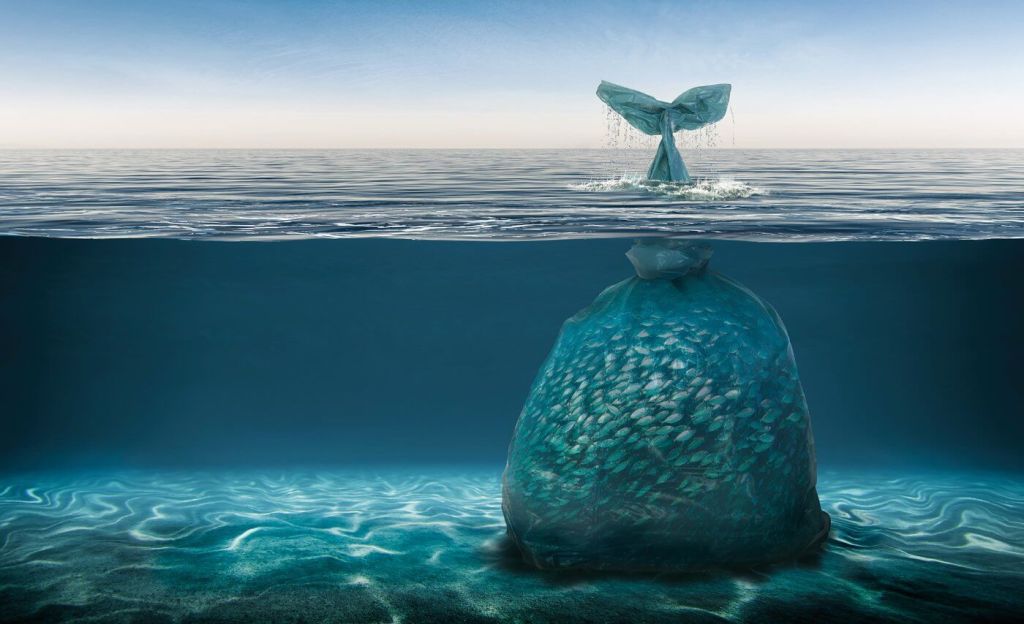
Studies have shown that since the mass production of plastics began in the 1950s, humans have produced 8.3 billion tons of plastics, of which 6.3 billion tons have become garbage. Only 9% of the plastic waste was recycled, 12% was incinerated, and 79% went into landfills or natural environments. A large amount of plastic waste enters the ocean through various channels. Simulation studies have shown that the 192 coastal countries around the world imported plastic waste to the ocean in 2010 from about 4 million to 12.7 million tons. (Andrady 2011) This has become a global problem affecting the world.
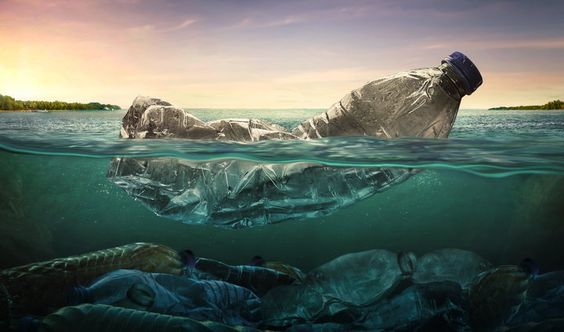
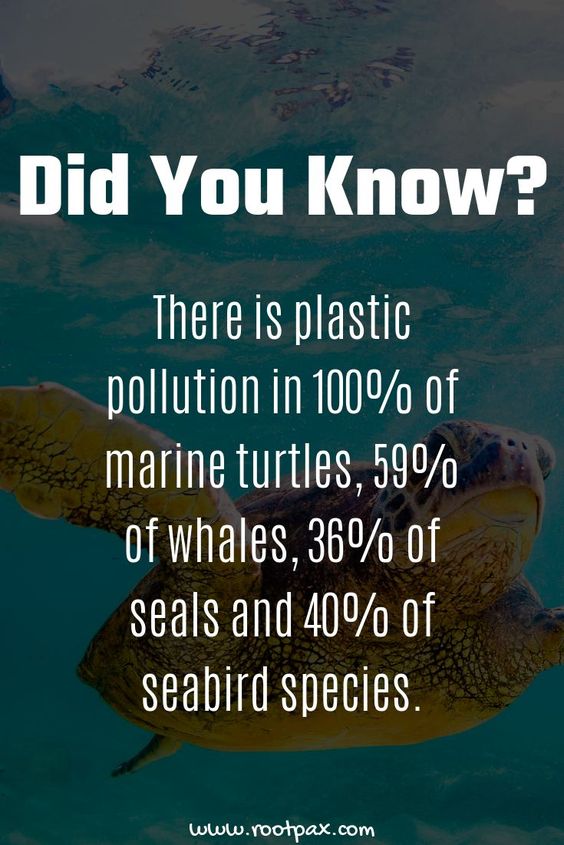
Microplastics is a type of plastic pollution that is small particle size and easily interacts with marine life. They can enter marine life through various ways, accumulates and metastasizes in the organs and tissues of its organism, and cause harm to marine life. Microplastics can threaten the health and stability of marine ecosystems because they are transmitted through the food chain.
Therefore, the current research focuses on the ecological impact of marine microplastics pollution and the interaction between marine life and microplastics.
 Alida's blog