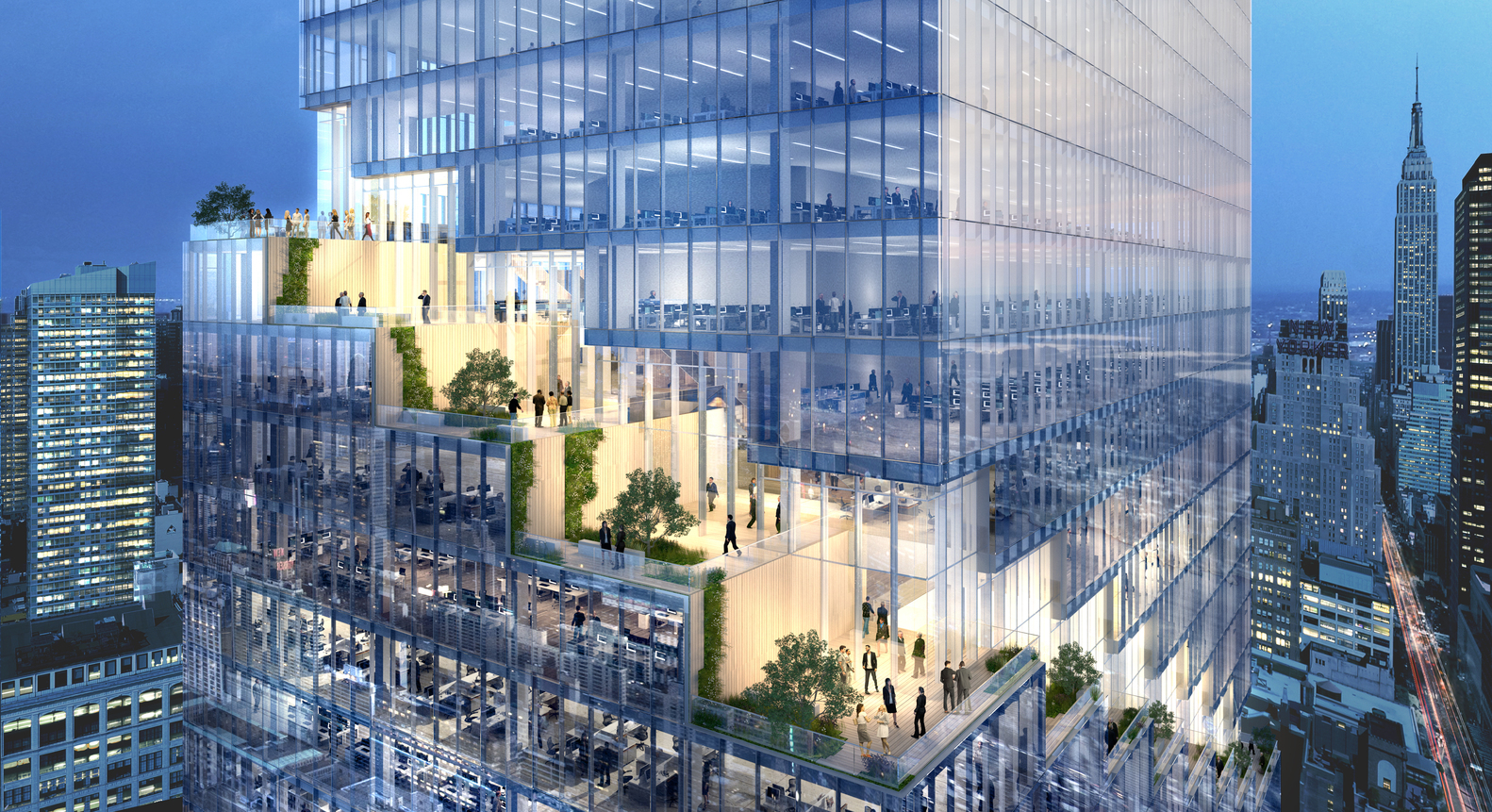
Last week, we watched a movie that introduced Bjarke Ingels, he is a Danish architect who is known for his anti-traditional architectural ideas. His design incorporates ideas for sustainable development and sociological concepts, and the slashes of these buildings are often integrated into the environment.
The main content of the Ingels speech is “change” and the need for architects and others to respond to the imminent threat of climate change. Here, he reviews the company’s floating cities developed to reflect the UN’s sustainable development goals. It can generate electricity by itself, collect rainwater, and grow food locally.
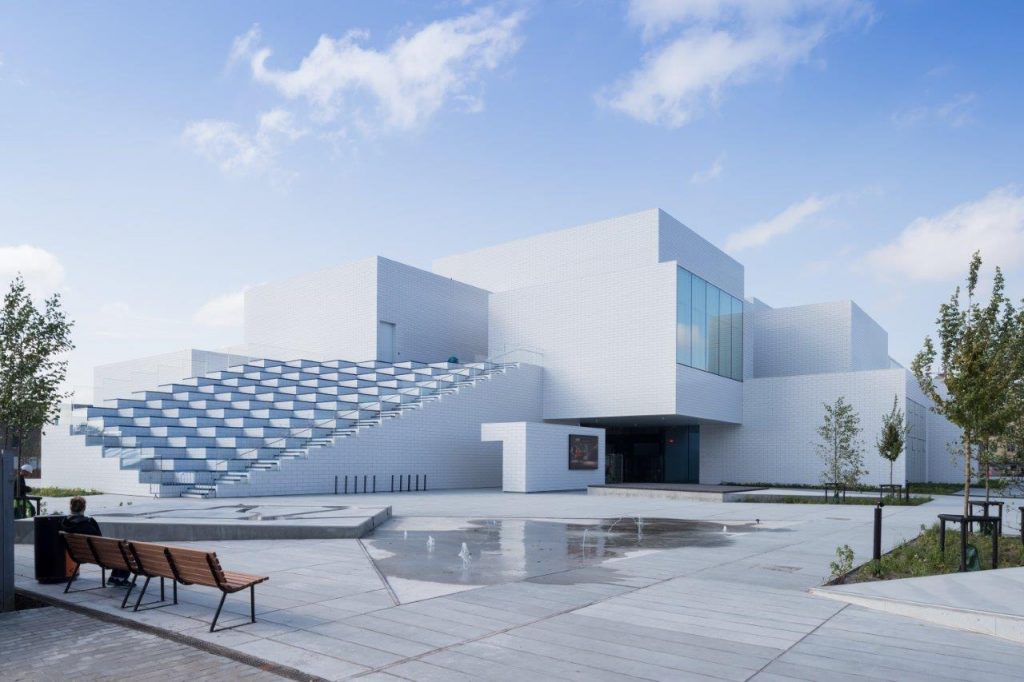
When LEGO worked with him, he tried to create a building that was as interactive and playful as the Lego brand itself. He designed an interior-connected rooftop playground and an indoor plaza where citizens can freely enter and exit the ground. This is probably the only museum in the world where you can get in touch with exhibits.
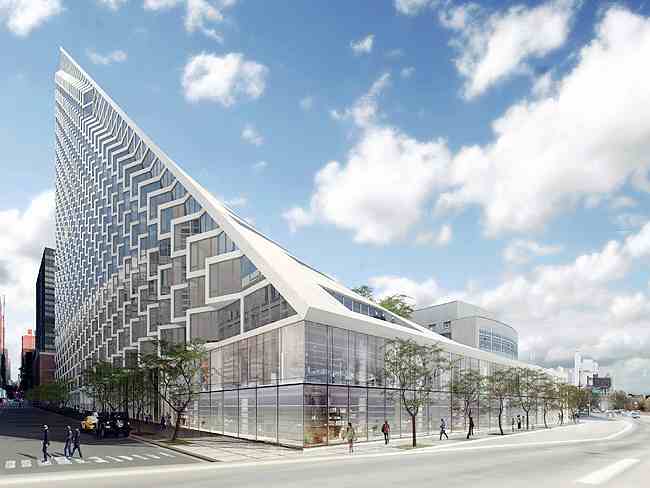
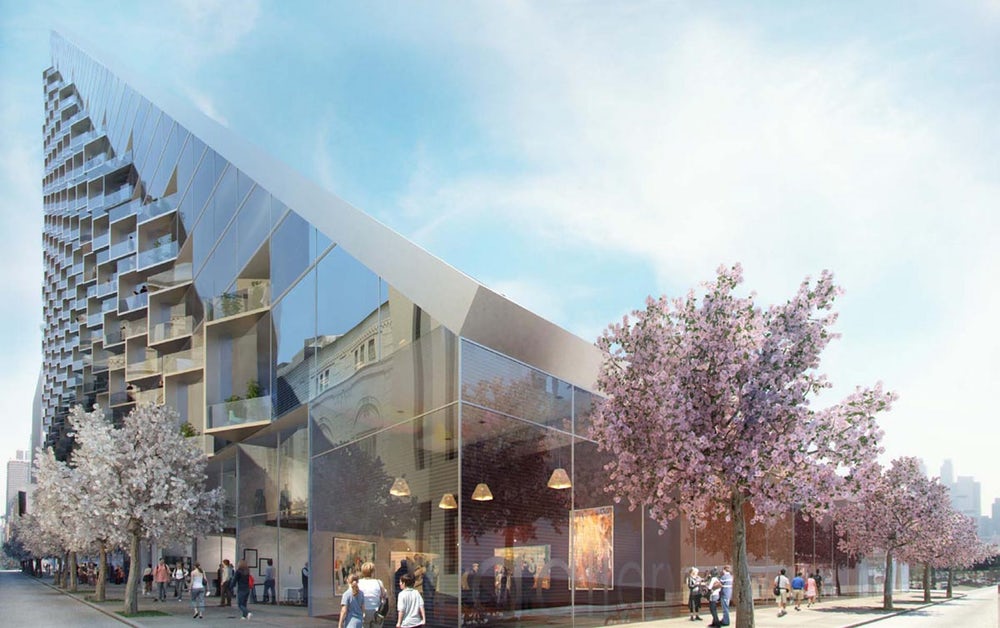
What impressed me was his one of his projects is an apartment project on the 57th Street in Manhattan’s West End, facing the Hudson River. For this project, the owner hopes that the residential building, which will accommodate 700 residents, will make full use of the surrounding natural landscape to create a new architectural concept that is different from the general urban apartment.
This atrium is like an oasis of the city, implanting an urban oasis into the apartment project center, like the condensed version of New York central park. And If you walk around the block around the building, you will find that the building is a variable body. From the west road, the building looks like a pyramid, and from West 58th Street, it becomes a huge glass spire. The entire courtyard starts from the second floor, so pedestrians passing by can also see the garden view of the building.This building is very well coordinated from light, space and privacy, and it also has a modern art atmosphere.
I known that the project has become the most innovative high-rise building in the world, and Bjarke and his team won the 2106 International Building Award (IHA), which gives a new trend in future apartment buildings.
 Alida's blog